Container Damage Detection: How AI Inspection Works
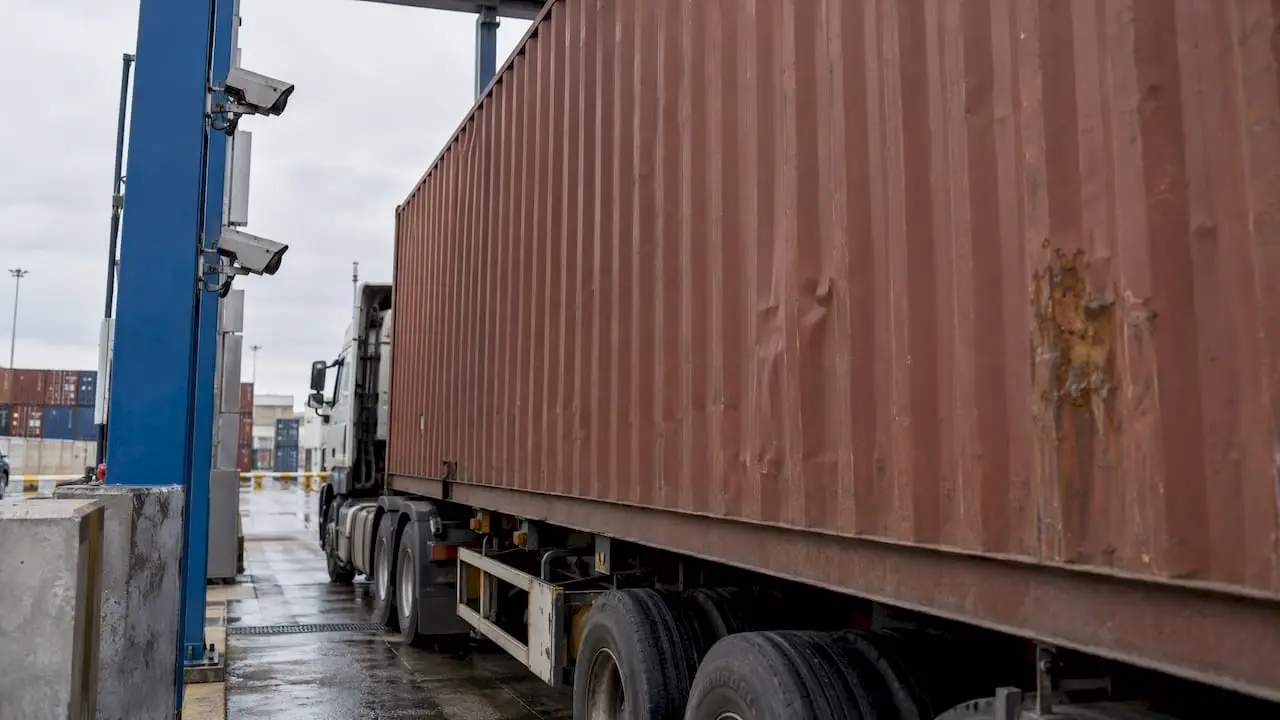
Container damage detection uses cameras and computer vision models to find dents, holes, rust and other defects on shipping containers, then log them with an…

Container damage detection uses cameras and computer vision models to find dents, holes, rust and other defects on shipping containers, then log them with an…
AI can read a product description, an image or a spec sheet and suggest an HS code in seconds. It cannot yet be trusted to…
AI supplier risk scoring pulls data from many sources, looks for patterns, and gives each supplier a score that updates as conditions change. It replaces…
Freight invoice audit automation replaces line-by-line manual checking with software that compares every carrier invoice against your contracted rates, shipment records and approval rules, then…
Demand sensing AI is a short-term forecasting layer. It uses machine learning and fresh, high-frequency data (orders, point-of-sale, inventory, weather, promotions) to correct the next…
Construction schedule risk is the chance that a project misses its planned finish date because something in the plan, the supply chain, the site or…
Spare parts forecasting is the practice of estimating which parts you will need, how many, and when. It is hard because demand is irregular: long…
AI governance is not one job. It is a set of clearly assigned responsibilities: someone approves high-risk use cases, someone controls who can touch a…
Data integration for AI means getting data from your operational systems into one consistent, trustworthy, timely form that models and AI agents can actually use.…