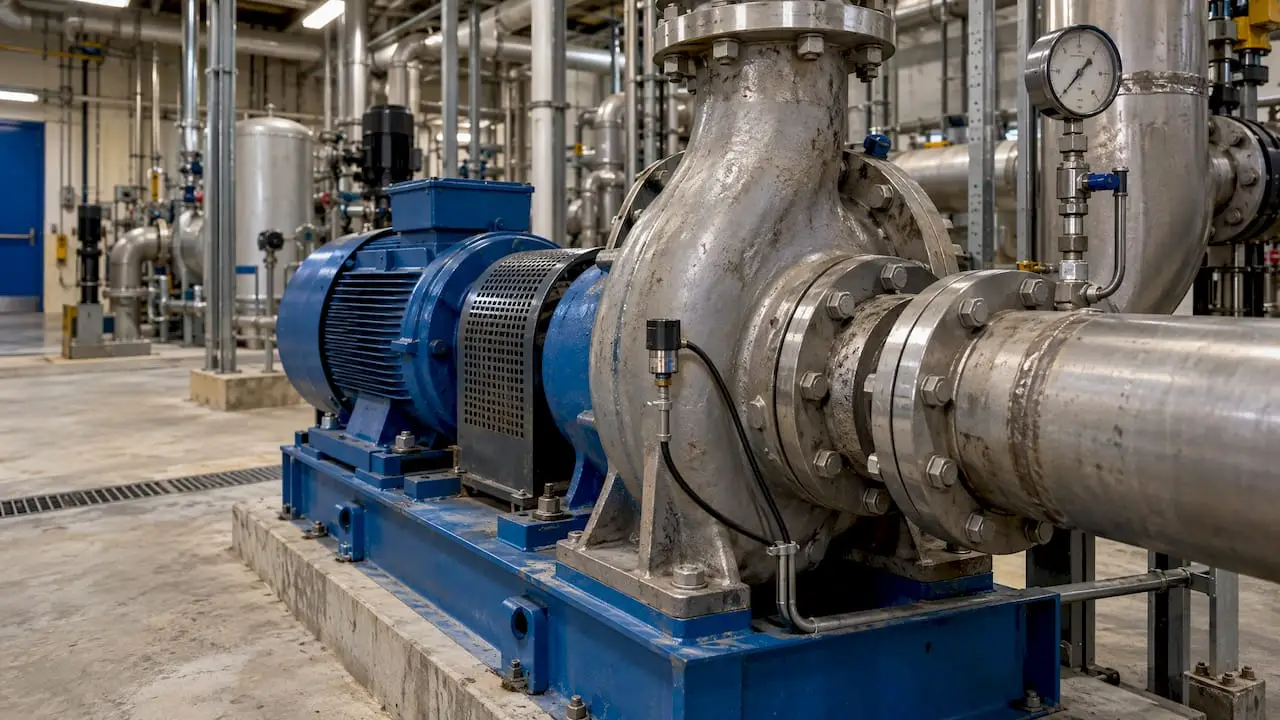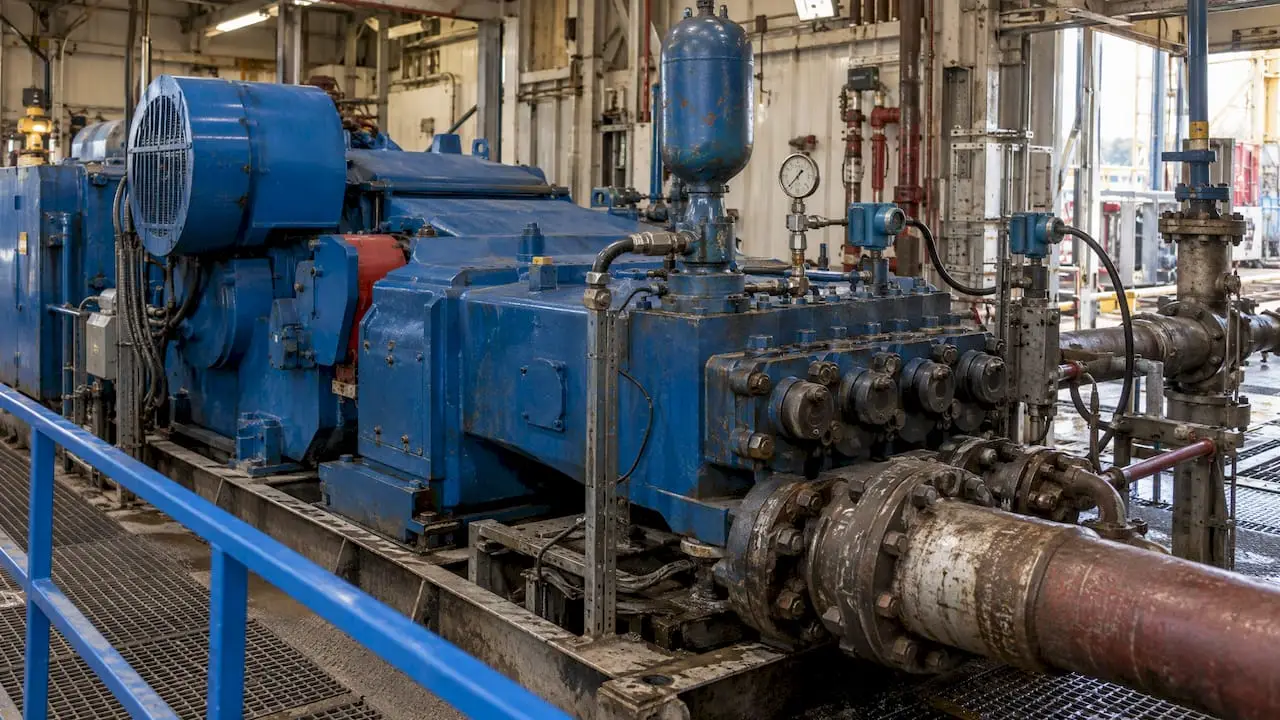
Drilling NPT Prediction: Data, Models and a First Step
Drilling NPT prediction works when three things line up: consistent event labels from your daily reports, rig sensor data at a fine time resolution, and…

Drilling NPT prediction works when three things line up: consistent event labels from your daily reports, rig sensor data at a fine time resolution, and…
Remaining useful life (RUL) modeling estimates how much longer an asset can keep working within its specifications before it needs repair or replacement. You pick…
You can automate a legacy system without replacing it. The reliable way is to decide, process by process, whether the system needs a screen-level bot,…
A real-time ML pipeline takes events as they happen, turns them into model inputs, and returns a prediction while the event still matters. For a…
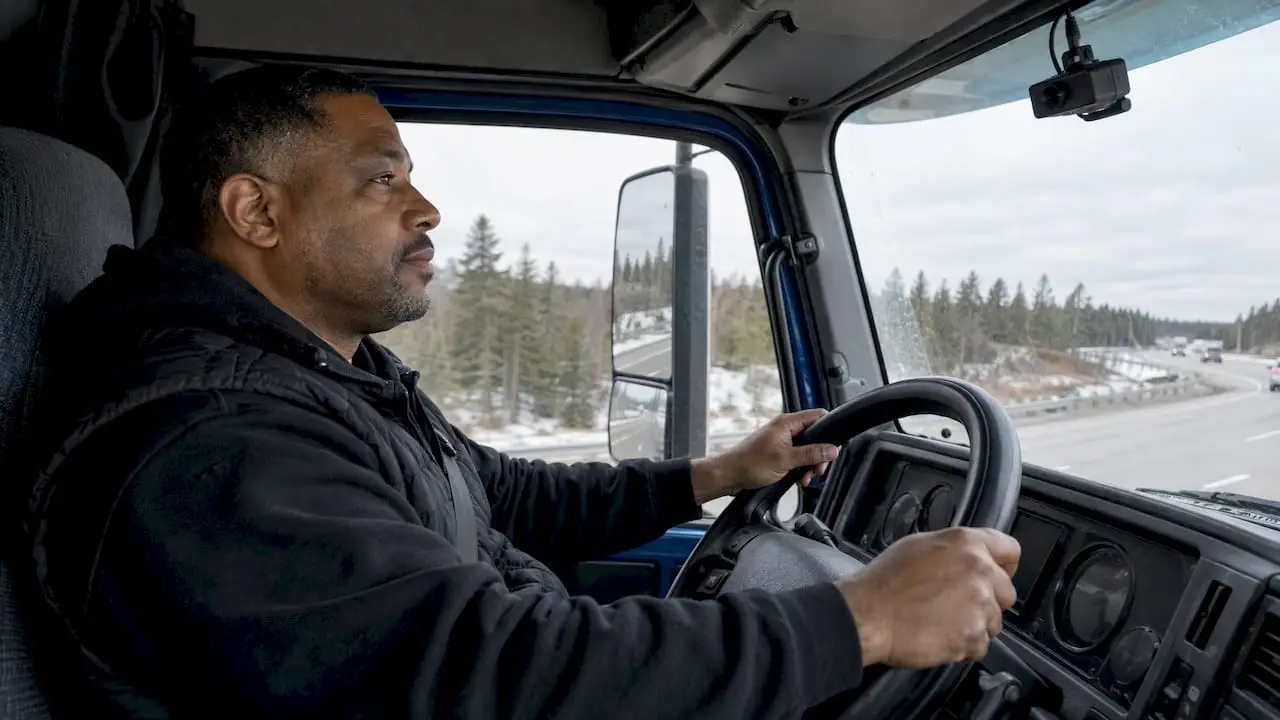
Driver fatigue detection is a set of sensors and software that spot early signs of drowsiness, such as long eye closures, yawning, head nodding or…
Privacy-preserving machine learning (PPML) lets you train and run models on sensitive data without handing that data to a central pool. In practice it means…
The best logistics automation opportunities sit in repetitive, rule-heavy work that your team repeats dozens of times a day: dispatch and scheduling, quotes and order…
A feature store is the system that turns raw data into model-ready features once, stores them, and serves the same values to training jobs and…
An enterprise knowledge graph connects your data across systems into one governed, queryable map of the things your business runs on: customers, shipments, assets, contracts,…